
https://images.app.goo.gl/uJcdZG8392Ne5jBD7
Nike is one of the largest athletic apparel brands in the world. The Nike store owns more than a thousand brick and mortar stores across the globe. However, a significant driver of Nike’s commercial success is its digital business model, which encourages consumers to purchase products through its online store. Nike’s digital business model has been widely successful because the corporation uses a targeted advertising strategy that helps expose the company’s advertisement campaign to the right consumers. For example, on social media platforms such as Instagram, Nike has an astoundingly high number of 82.6 million followers (Cole, 2018). Nike artfully posts photos of well-known athletes wearing Nike products, which is then exposed to 82.6 million followers that enjoy Nike products, hence their willingness to follow (Cole, 2018). By investing and focusing on social media platforms, Nike has been able to access and direct content towards potential consumers that are more likely to buy Nike products than advertising to untargeted audiences (Cole, 2018). In comparison, Nike’s competitor Adidas has only garnered 22.9 million followers on its Instagram page. As a result, Adidas likely won’t have as far of a reach to potential consumers. Meanwhile, Nike’s incorporation of social media in its business model strategy demonstrates an integrated marketing scheme where Nike can engage and communicate with targeted audiences who enjoy Nike products and are interested enough to follow the brand.
https://images.app.goo.gl/k3YFLPkuYPD4gN846
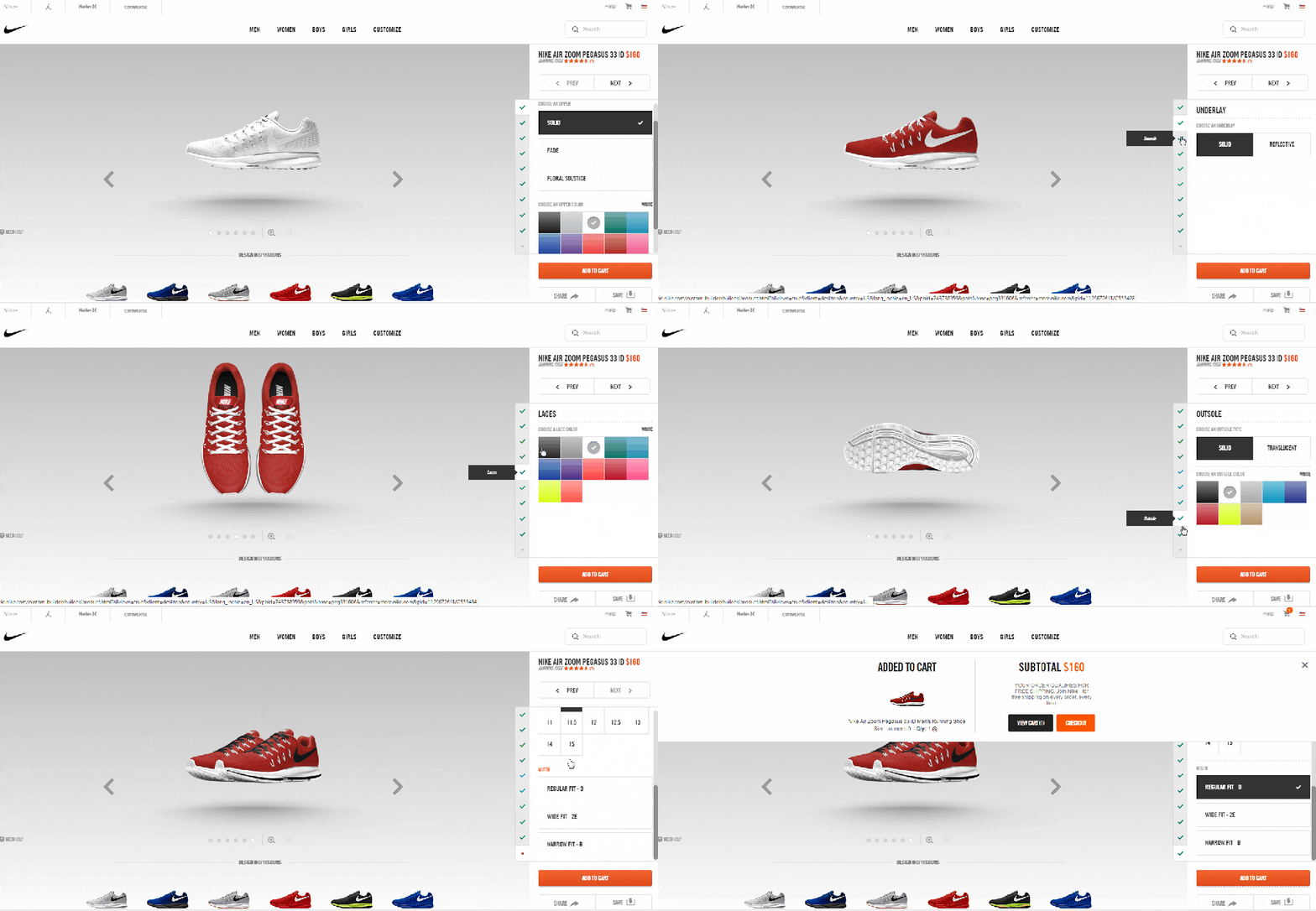
Nike has also integrated digital technology to move its brick-and-mortar business strategies to the online sphere. In the early 2000s, Nike began to sell customized shoes that allowed customers to design a pair of Nike sneakers to their preference. With the use of Nike’s online retail store, the brand has moved its customization promotion from paper-based to digital (Tannou & Westerman, n.d.). Hence, consumers have more accessibility and customizable choices than ever to design their products digitally. The move towards a digital based designing process helped promote the product to young consumers who are able to design a pair of sneakers with 3D design tools that offered more design capabilities and allowed the consumer to have a better visual of what the real product would look like (Tannou & Westerman, n.d.).
<Insert Video> https://www.youtube.com/watch?v=zsuxRGLIjss
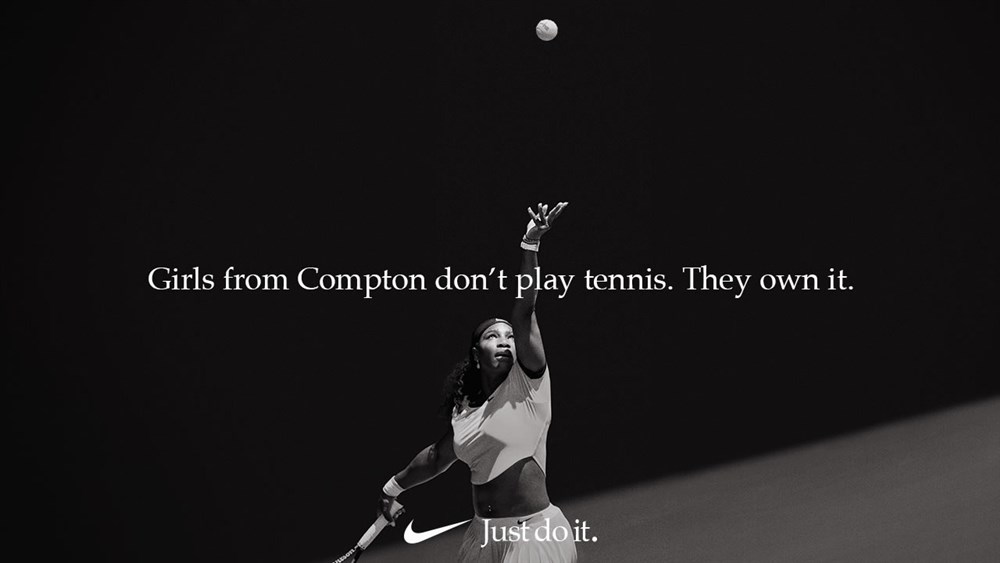
Targeting the audience through social media and integrating seamless online shopping tools compounds, Nike’s success compounded in the company’s use of integrated marketing communication strategies. For example, Nike frequently garners attention and high exposure by campaigning viral advertisement videos on social media platforms, such as YouTube. From Nike’s (2019) most viewed videos, “Just Do It: Tiempo De Ser Héroes | Nike," the video showcases young athletes creating legacies with the help of Nike apparels. The video ends with its artful slogan, ‘Just Do It,’ which reflects on the concept of pushing oneself to their limits (Nike, 2019). To date, the video has garnered 37 million views around the world. The video content projects an inspirational message that is viewed by millions of potential consumers who are able to associate the video’s message to the brand’s core values. Hence, consumers who resonate with the sentiments are encouraged to purchase Nike products. Meanwhile, Nike’s digital business model of integrating marketing communication is effective in contributing to the company’s success because digital platforms further elevate the company’s brand reputation. With 37 million views from a single advertisement, Nike established itself as a relevant brand in today’s age and trend. Hence, the high views and positive response contributes to the company’s image of legitimacy and encourages social engagement between viewers. As a result, Nike opens up a portal of two-way engagement with the consumers.
https://images.app.goo.gl/xAZLLcqkgvYU1NB79
Nike further uses its digital business model to integrate marketing communication brand strategies, such as celebrity endorsements. In the pre-digital era, celebrity endorsements would consist of celebrity athletes wearing brand apparel to major events or games. Consumers are engaged with celebrity sponsors through traditional media, such as print news and television. Thus, the communication pathway was relatively one-sided. However, with the use of social media, Nike captures relatable and aspiring reflections from celebrity athletes, such as Nike’s 2019 ad, “Kobe Bryant: Don’t Change Your Dreams | Birthplace of Dreams | Nike" (Nike-b, 2019). Celebrity endorsements have always been an effective marketing strategy that significantly increases brand identity and equity because celebrity endorsements help increase the visibility of Nike’s brand logo. When Nike captures inspiring reflections by athletes, consumers further engage with the brand by relating to the athlete’s success stories. Hence, Nike’s shift from its traditional celebrity endorsement strategy to digital celebrity endorsement helps elevate consumer engagement as the viewers are able to relate or feel an emotional attachment towards the athlete’s words while associating the experience with Nike’s logo. Hence, Nike’s use of integrated marketing communication utilizes a traditional marketing strategy while integrating digital mediums to help increase exposure and engagement with the audience, which contributes to Nike’s success.
Refernces
Cole, S. (2018). How Nike uses Facebook and Instagram. https://econsultancy.com/how-nike-uses-facebook-instagram/
Nike. (2019). Just Do It: Tiempo De Ser Héroes | Nike. https://www.youtube.com/watch?v=zsuxRGLIjss
Nike-b. (2019). Kobe Bryant: Don’t Change Your Dreams | Birthplace of Dreams | Nike https://www.youtube.com/watch?v=pZjFpAJfcSY
Tannou, M. and Westerman, G. (nd.). Nike: From Separate Digital Initiatives to Firm-Level Transformation. MIT, pp. 1-6. https://www.capgemini.com/wp-content/uploads/2017/07/digital_transformation_at_nike_20-12_pdf.pdf
 jeff745
Hi Jeff,
Interesting blog! I think you mentioned about Nike’s digital advertising on Instagram is totally right. Digital marketing channels such as social media can specifically target segments, enabling companies to use different platforms to reach different segments according to customers’ interests, education or income level, such as an online advertisement to younger people who are tech-savvy through Instagram. Besides, from my shopping experience, customisation is an attractive new shopping function. Nike’s online shops enable customers to have opportunities to customise shoes digitally as what they want which is a great way to interact with customers. As you mentioned, Nike using its digital business model to integrate marketing communication brand strategies, such as celebrity endorsements, is a popular marketing approach, contributing to customers’ emotion resonance. But I want to argue that using celebrities to advertise on social media platforms may lead to bad expression if customers do not like the celebrities and they would comment on an open platform such as Instagram, leading to bad reputation of the brand.
All the best
Siying
讚讚